 Market4Me
21 UGC Ad Ideas Every Content Creator & Influencer Must Try
Looking to elevate your brand partnerships? These 21 high-converting UGC ad ideas use native social formats, psychological hooks, and organic aesthetics to drive real campaign conversions.
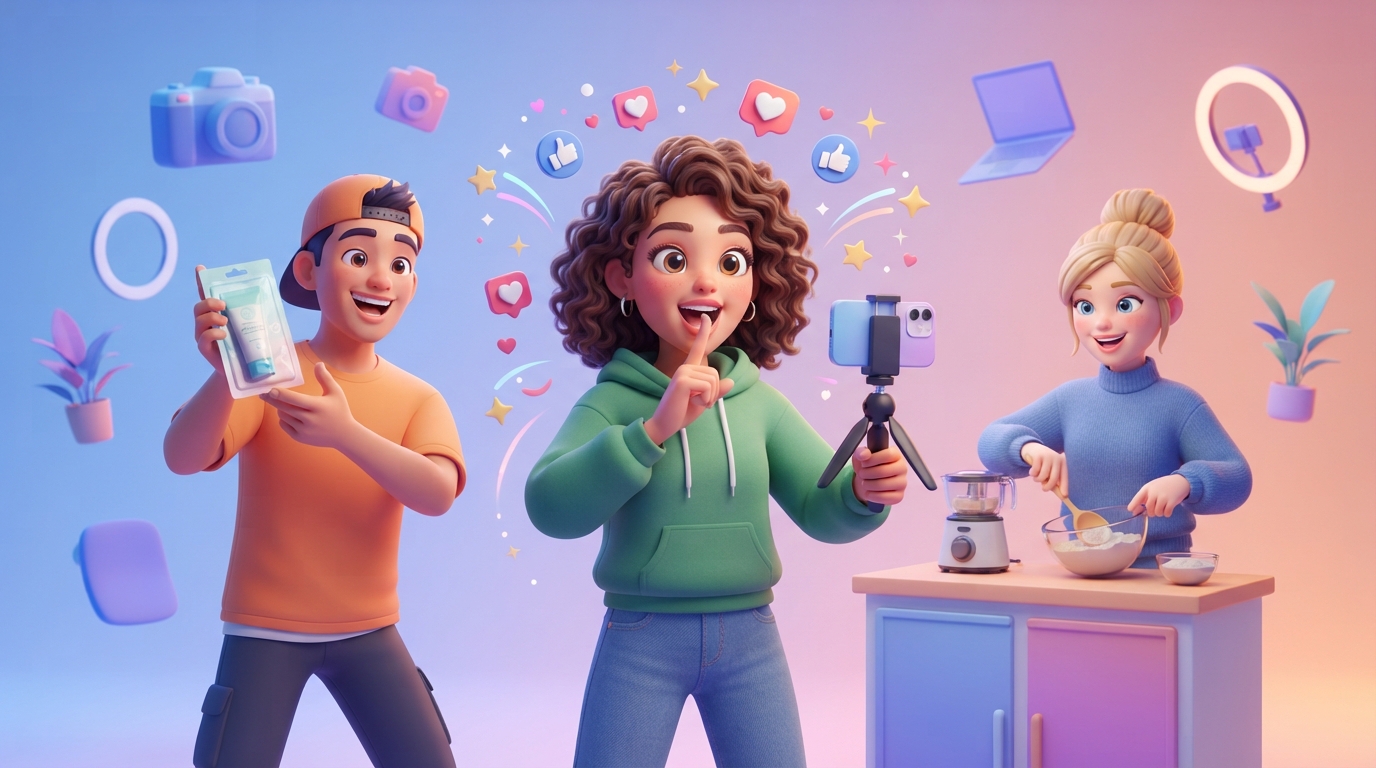
Looking to elevate your brand partnerships? These 21 high-converting UGC ad ideas use native social formats, psychological hooks, and organic aesthetics to drive real campaign conversions.
Key takeaways
- The most profitable UGC ads mimic native, organic user behavior rather than polished studio commercials.
- Hook rates rely entirely on the first 3 seconds, which requires visual pattern interrupts or bold text overlays.
- A structured mix of negative hooks, ASMR styling, and data-backed proof formats yields the highest click-through rates.
- Creators can scale their pitch volume and avoid creative fatigue by combining manual shooting with automated script and concept tools.
As a modern content creator or influencer, your value to a brand isn’t just your follower count—it is your ability to convert attention into action. Traditional, over-produced studio commercials are losing their grip. Instead, brands are hungry for raw, high-converting assets. To stay competitive, you need a diverse library of ugc ad ideas that you can pitch, script, and execute at a moment’s notice.
In this guide, we break down 21 proven UGC ad concepts that actually drive sales. We will also explore the foundational framework that makes these concepts work, complete with real-world formatting tips to keep your production pipeline efficient.
The “Three-Act Organic Trap” Framework
Before diving into the list, you must understand why successful user-generated content converts. The best UGC ads do not feel like ads at first glance. They utilize what we call the Three-Act Organic Trap:
- The Pattern Interrupt (0–3 seconds): A highly relatable, visual, or chaotic hook that mimics a friend’s organic post. No brand logos, no product introductions.
- The Agitation & Resolution (3–12 seconds): The creator introduces a highly specific pain point, agitates it, and presents the product as the natural, frictionless solution.
- The Low-Friction Call to Action (12–15 seconds): Instead of a high-pressure “Buy Now,” the ad closes with a clear, realistic next step (e.g., “Use code CREATOR10 to grab yours before the restock”).
By structuring your concepts around this flow, you ensure high retention rates that keep viewers tuned in long enough to hear the pitch.
Category 1: Hook-Heavy & Attention-Grabbing Concepts
1. The Green Screen Commentary
Use the native green screen effect to overlay yourself on top of a screenshot. This could be a relatable tweet, a bad competitor review, or a shocking industry statistic. Point to the text, react naturally, and explain how the brand’s product solves the problem highlighted in the screenshot.
2. “3 Reasons Why I Threw Away [Competitor Product]”
This negative hook instantly grabs attention because humans are biologically wired to avoid mistakes. Start with a visual of you tossing a generic competitor product into the bin. Transition immediately into why the brand you are promoting is the superior alternative.
3. The Silent ASMR Review
Eliminate the talking entirely. Rely on high-quality microphones to capture crisp, satisfying sound effects: tapping on the packaging, unscrewing a lid, the click of a button, or the satisfying tear of a shipping box. Use text overlays to convey the product’s benefits while keeping the audio experience pure and relaxing.
4. “Stop Scrolling If You Have [Specific Pain Point]”
Direct call-outs work because they instantly filter the audience. If you are promoting a skincare brand, say: “Stop scrolling if you have stubborn dry patches on your nose.” The viewer feels directly spoken to, which drastically improves your hook rate.
5. The Overheard Conversation
Play two different characters in a split-screen or quick-cut format. Character A complains about a relatable problem, and Character B (also you, perhaps wearing a different shirt or hat) casually recommends the product as a friendly tip. This format feels conversational rather than promotional.
Category 2: Solution & Demonstration-Focused Concepts
6. “How I Fix My [Problem] in 15 Seconds”
Show, don’t just tell. Put a timer overlay on the screen and perform a rapid, real-time demonstration of the product in action. If it is a software product, use screen recordings. If it is a physical item, show the immediate setup or application.
7. The Live Unboxing & Sensory Reaction
Do not just pull the product out of the box. Focus on the sensory details. How does the material feel? What does it smell like? Show the high-end packaging details. Brands love this because it builds anticipation for the buyer’s own delivery experience.
8. The Vertical Split-Screen Comparison
Show the old way of doing things on the left side of the screen (slow, messy, frustrating) and the new way using the product on the right side (fast, clean, satisfying). This clear visual contrast requires almost no voiceover to prove its point.
9. The Aesthetic Close-Up / Macro Shot
Focus on the physical texture of the product. Capture slow-motion macro footage of a serum dripping, fabric stretching, or coffee brewing. This style of content works incredibly well for luxury, beauty, or lifestyle niches where aesthetic appeal is the primary buying trigger.
10. The Day-in-the-Life Integration
Instead of making the product the sole focus, make it a natural character in your daily routine. Film a quick vlog of your morning or workday, casually showing yourself using the product as you go. This soft-sell approach builds trust and shows the product’s real-world utility.
Category 3: Trust & Social Proof Concepts
11. “My Honest Review After 30 Days”
Consumer skepticism is at an all-time high. Address this by positioning your ad as a long-term retrospective. Explain your initial doubts (“I honestly thought this was just another overhyped gimmick…”) and show the physical or measurable results you achieved after a month of consistent use.
12. The Simulated Forum Comment Recreation
Show a mock Reddit thread or forum comment on screen where a user asks for a recommendation for a specific problem. Read the comment aloud, then say: “As someone who struggled with this for years, here is the only thing that actually worked.”
13. Replying to a “Mean Comment”
Create a video responding to a skeptical or critical comment on your previous post (e.g., “There is no way this works for thick hair”). Address the skepticism head-on by demonstrating the exact feature they doubted on camera. This transparent approach builds immense credibility.
14. The Timestamped Before & After
If you are promoting a fitness, beauty, or organizational tool, use clear on-screen timestamps. Show “Day 1” with a visible struggle, followed by “Day 7,” “Day 14,” and “Day 30” of progressive improvement. Documenting the journey is far more believable than a sudden transition.
15. The Expert Cosplay / Industry Breakdown
If you have a background in a specific field (or can speak authoritatively on it), analyze the product from a professional lens. Break down the ingredient list, the engineering behind the design, or the psychological principles of a service. Speak with technical precision to establish authority.
Category 4: Interactive & Gamified Concepts
16. The “This or That” Decision Video
Compare two different versions of the product (e.g., different colors, sizes, or scents) or compare the product to a traditional method. Ask the audience which option they would choose in the comments to drive organic engagement rates up.
17. “TikTok Made Me Buy It” Tour
Leverage the massive popularity of native platform trends. Start the video with the classic hook, then take the audience on a tour of how the product looks in your home, how you use it, and whether it actually lived up to the online hype.
18. The “Under $50” Secret
Frame the product as an exclusive, high-value find that does not break the bank. Highlight its premium features and compare them to luxury alternatives that cost three times as much, making the purchase feel like an obvious financial win for the viewer.
19. “X Things I Wish I Knew Sooner”
This hook leverages regret and curiosity. List two relatable life hacks, and make the third hack the brand’s product. By sandwiching the product between organic, highly useful tips, you keep the audience engaged without triggering their ad filters.
20. The Step-by-Step Tutorial
Walk the viewer through a highly detailed, educational guide on how to solve a specific problem, using the product as the primary tool. Focus on providing genuine educational value first; when viewers learn something useful, they are far more likely to buy the tool used in the process.
21. The De-Influencing Hook
Start with: “Do not buy this product…” pause for effect, and finish with “…unless you want everyone asking why your skin looks so glowy.” This playful twist on the popular “de-influencing” trend subverts expectations and keeps viewers hooked past the critical 3-second mark.
Performance Comparison Matrix for UGC Formats
To help you decide which concepts to pitch to your brand partners, refer to this performance comparison table based on standard social ad campaigns:
| UGC Format | Average Hook Rate | Primary Strengths | Best Suited For |
|---|---|---|---|
| Green Screen Commentary | High (35%+) | Highly conversational, easy to produce | SaaS, Digital Products, App Reviews |
| Silent ASMR Review | Medium (20-25%) | Immersive, high aesthetic appeal | Beauty, Cosmetics, Food & Beverage |
| “3 Reasons Why I Threw Away…” | Very High (40%+) | Strong pattern interrupt, direct comparison | E-commerce, Physical Goods, Home Decor |
| Day-in-the-Life Integration | Low-Medium (15-20%) | Builds deep trust, feels highly organic | Fashion, Lifestyle, Fitness |
| Timestamped Before & After | High (30%+) | Irrefutable visual proof, high conversion | Skincare, Wellness, Haircare, Fitness |
How to Scale Your Video Production Without Burning Out
Generating fresh ugc ad ideas and filming them manually can quickly lead to creative burnout. If you are balancing multiple brand deals or trying to maintain a daily posting schedule on your own channels, you need systems to streamline your workflow.
Many forward-thinking creators are changing how they work by using advanced automation. For example, learning How Creators Use AI Video to Never Run Out of Content allows you to offload the heavy lifting of scripting and editing.
Instead of starting from a blank page, you can use a video script generator to outline your hooks and angles in seconds. If you want to expand your offerings to brands, you can even pitch hybrid campaigns that combine your physical likeness with automated assets generated by an AI UGC generator, saving you hours of studio setup time.
Additionally, if you are pitching to startups or smaller direct-to-consumer brands, sharing pre-made concepts like 13 UGC Ad Ideas for Solo Founders & Startups can position you as a strategic marketing partner rather than just a videographer for hire.
Next Steps: Upgrade Your Content Creation Workflow
Whether you are shooting on an iPhone in your bedroom or scaling a multi-brand content studio, success in the UGC space comes down to volume and testing. The more hooks, angles, and formats you test, the faster you will find the winning formula for your clients.
If you want to automate the tedious parts of your content pipeline—from strategy and scriptwriting to automated video production—explore how Market4Me.ai can help. You can try Market4Me free to start scaling your content creation workflow on autopilot today.
Put your marketing on autopilot
Paste your URL and let Market4Me.ai build, schedule and post your content for you.
Start free →Frequently asked questions
What makes a UGC ad different from a standard video ad?
UGC ads are designed to look like organic, user-generated content shot on a smartphone rather than a professional studio camera. They focus on real-world authenticity, relatable hooks, and native social media editing styles instead of high-production-value graphics and polished voiceovers.
How long should a UGC video ad be?
The sweet spot for vertical UGC video ads on platforms like TikTok, Instagram Reels, and YouTube Shorts is between 15 and 30 seconds. This allows enough time to deliver a strong hook, demonstrate the product's core benefit, and present a clear call to action without losing viewer attention.
What is a good hook rate for a UGC ad?
A good hook rate (the percentage of viewers who watch past the first 3 seconds) typically ranges between 30% and 40%. Highly visual pattern interrupts, text overlays, and negative hooks are the most effective ways to hit and exceed this benchmark.
How can I come up with new UGC ad concepts quickly?
You can use creative brainstorming frameworks like analyzing competitor reviews for pain points, reversing popular social media trends, or utilizing a digital script generator. Automated tools can also help you generate structured hooks and angles in seconds based on a product's URL.
Can creators use AI to help produce UGC ads?
Yes. Creators frequently use AI to write video scripts, generate hook variations, and edit video assets. Some platforms even allow you to create consistent digital avatars or generate supplementary b-roll to streamline your production pipeline and handle more brand campaigns simultaneously.